1747 S. Heritage Lane Suite B101
 team@ansonfamilycounseling.com

How Play Therapy Helps Anxious Kids Feel Safe and Heard
Anxiety in kids does not always look like anxiety in adults. In Syracuse, many parents see it show up as frequent stomachaches, headaches, sleep problems, school refusal, or big emotional reactions to small changes. You might notice your child clinging at drop-off, panicking about homework, melting down at bedtime, or worrying constantly about safety or friendships. Over time, this can affect the whole family, from morning routines to weekend plans.
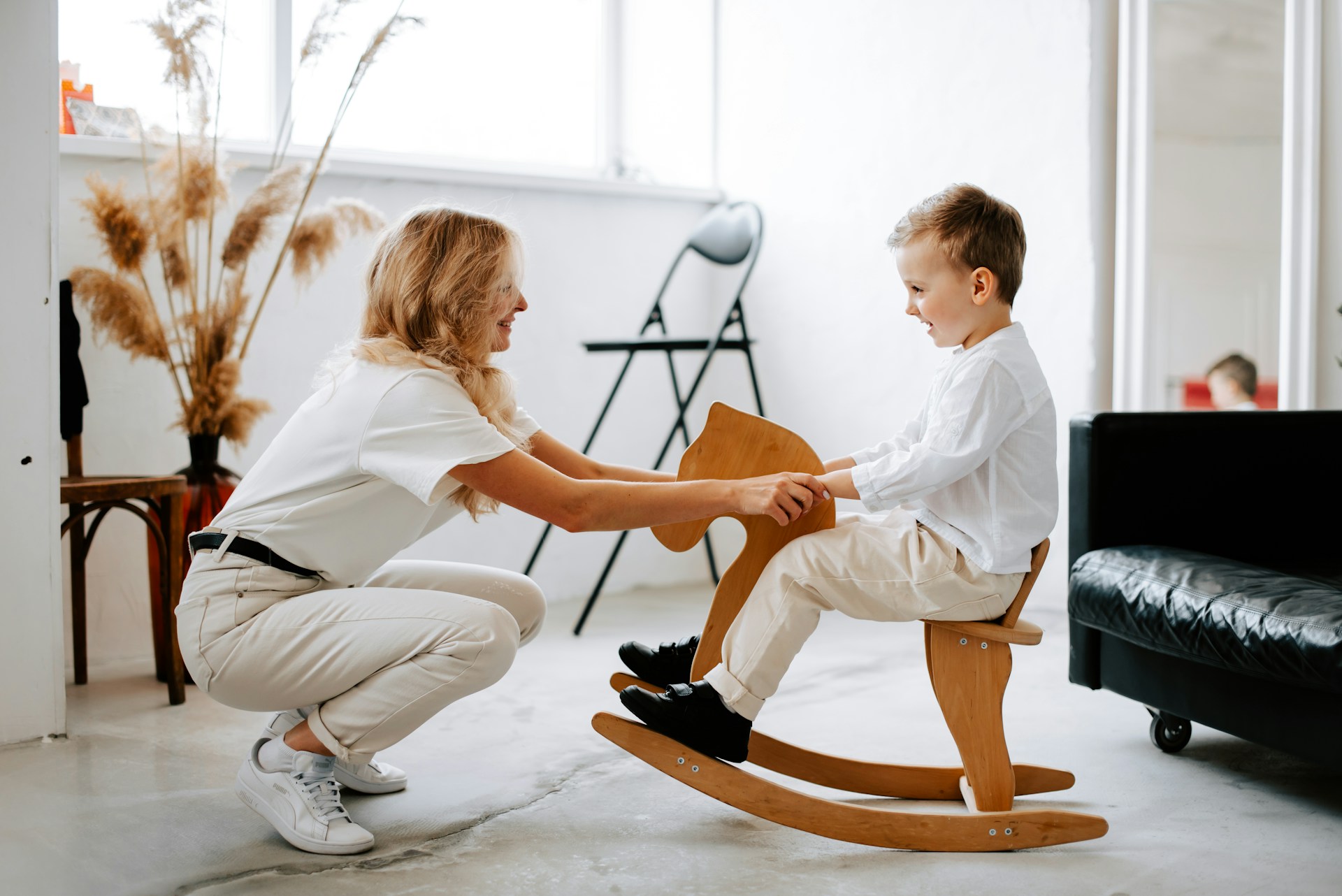
Play therapy offers a child-friendly, evidence-informed way to support anxious kids without pressuring them to sit and talk like adults. Through toys, art, sand, and games, children can express what feels too big, confusing, or scary to put into words. At Anson Family Counseling in the Syracuse area, we provide trauma-informed, child-centered play therapy that meets kids where they are and includes the whole family in the healing process.
Anxiety can impact daily life in many ways, such as:
- Trouble falling or staying asleep
- Avoiding school, activities, or friends
- Physical complaints like stomachaches, headaches, or nausea
- Outbursts, tears, or shutdowns when things feel uncertain
Play therapy gives kids a safe place to work through these worries while feeling respected, understood, and truly heard.
What Play Therapy Looks Like for Kids in Syracuse
A play therapy room at a practice like ours is designed to feel safe, calm, and interesting, not clinical or overwhelming. You might see:
- Shelves with dolls, figures, animals, and vehicles
- A sand tray with miniature items for kids to build scenes
- Art supplies like markers, paint, clay, and collage materials
- Games and sensory tools that help with focus and soothing
For many anxious kids, this kind of room feels less threatening than an adult-style office. Instead of being asked direct questions right away, they can explore, choose activities, and get comfortable at their own pace. Play becomes the language, and toys become the words.
Sessions are typically structured in a predictable way so kids know what to expect. A therapist may:
- Start with a simple check-in or ritual to help the child settle
- Offer non-directive play, allowing the child to lead and express themselves freely
- Gently introduce themes or activities related to coping skills or worries
- End with a short calming activity and a consistent closing routine
We match activities to each child’s age, culture, personality, and comfort level. For some, that might mean active play and pretend stories. For others, it might mean quiet art, drawing, or sand tray work. Parents often ask about logistics in Syracuse, such as session length and frequency. Sessions are usually held once a week and last about the length of a typical therapy hour, with adjustments for younger children. Many families notice small shifts early on, though deeper changes in anxiety can take more time and consistent support.
How Play Therapy Helps Kids Manage Anxiety
Anxious kids often feel a swirl of sensations and emotions without fully understanding what is happening inside their bodies. Through play therapy, they learn to slow that swirl down and make sense of it in a way that fits their developmental stage.
Therapists use play to help kids:
- Name feelings like worry, fear, anger, or sadness
- Notice where anxiety shows up in their bodies, such as a tight tummy or fast heartbeat
- Practice coping skills like deep breathing, grounding, or positive self-talk
- Try out new responses to stressful situations through role-play or storytelling
For example, a child might use animal figures to show a scary situation, then replay it with a stronger helper character or a magical shield. In that process, they experience what it is like to feel more powerful, supported, and in control. Art activities can give form to fears, which then can be changed, ripped up, painted over, or transformed in a safe way.
Over time, parents often see:
- Fewer meltdowns and emotional explosions
- Less avoidance of school, homework, or social situations
- Calmer bedtimes and improved sleep
- More confidence in trying new things or being away from caregivers
Play therapy does not erase anxiety overnight, but it gives kids tools and experiences that help their nervous systems settle and their sense of courage grow.
Partnering with Parents in the Play Therapy Process
Parents and caregivers are central to a child’s progress. At Anson Family Counseling, we see therapy as a team effort that includes parents, not a process that happens behind closed doors without you. We regularly meet with parents to check in, share themes we are seeing, and offer ideas that fit your child and family.
Parent involvement may include:
- Regular parent-only sessions to discuss patterns, triggers, and goals
- Coaching on specific skills, such as co-regulation, routines, or calming strategies
- Simple home practice ideas, like special playtime, visual schedules, or coping plans
A common concern is how therapists share information without breaking the child’s trust. We are careful about this balance. Kids need to know that what they share in play is respected, but parents also need meaningful updates. In practice, that often means we talk with parents about general themes, progress, and recommendations, while protecting the child’s more private details or symbolic play content unless there is a safety concern.
When helpful, we may include family members in sessions. This can look like:
- Parent, child play sessions focused on connection and safety
- Sibling sessions to reduce conflict and build teamwork
- Family activities that practice new communication or calming skills
For anxious kids, knowing that their caregivers are learning alongside them can be deeply reassuring and can make changes at home feel more natural.
Finding the Right Play Therapist in Syracuse
Choosing a play therapist for your child is a big decision. In the Syracuse area, parents often want someone who understands child development, anxiety, and trauma, and who can respond in a warm, steady, and culturally sensitive way. When you are exploring options, it can help to look for therapists who have specific training in play therapy and experience working with anxious children.
Some helpful things to consider are:
- Training or experience in play therapy approaches
- Trauma-informed care, especially if your child has had stressful or overwhelming experiences
- Familiarity with child and teen anxiety, including school and social concerns
- Comfort working with your family’s culture, language, and values
At Anson Family Counseling, our team includes therapists who offer approaches such as EMDR and TBRI, in addition to play therapy. These can be helpful when anxiety is connected to trauma, attachment wounds, or early stress. We also provide culturally responsive counseling, including therapy in Spanish, for families who prefer or need that option.
When you connect with a potential therapist, you might ask:
- How do you use play therapy with anxious kids?
- How do you include parents and caregivers?
- How do you adapt your approach for my child’s age, background, and needs?
- What signs should we look for that therapy is helping?
You deserve to feel that the therapist understands your child, respects your values, and is open to ongoing conversation.
Taking the Next Step Toward Calmer Days at Home
Anxiety does not have to reach a crisis point before it is worth getting support. In fact, early help often makes things easier for everyone. When kids learn about their feelings, bodies, and coping strategies through play, they gain skills they can carry into school, friendships, and family life.
For families in and around Syracuse, play therapy can be a gentle, effective way to help anxious kids feel safer, more confident, and more connected. At Anson Family Counseling, we meet each child and family with respect for your story, your culture, and your hopes. With the right support, anxious kids are not defined by their worries. They can grow, play, and build a life that feels more open and less ruled by fear, and families can feel less alone in the process.
Support Your Child’s Growth With Specialized Care
If your child is struggling with big feelings, behavior changes, or difficult transitions, we are here to help. Our child-focused approach to play therapy in Syracuse creates a safe, engaging space where kids can express themselves and build healthier coping skills. At Anson Family Counseling, we work closely with you to understand your child’s needs and set clear goals together. To schedule an appointment or ask questions about getting started, please contact us.